

This article may contain affiliate links. As an Amazon Associate, I earn from qualifying purchases at no extra cost to you.
If you’re searching for how to get a newborn to sleep, you’re not alone. For many parents, newborn sleep can feel unpredictable, exhausting, and overwhelming, especially in the first few months. Some babies wake every hour, others struggle with gas or colic, and many simply fight sleep even when they’re clearly tired.
The good news is that learning how to get a newborn to sleep peacefully doesn’t require guesswork or extreme sleep training methods. With the right environment, a consistent routine, and a few proven soothing techniques, most newborns can begin sleeping longer stretches, day and night.
This guide will walk you through practical, parent-tested strategies that work for all newborns, including babies who are extra fussy or colicky. You’ll also discover sleep products that many parents rely on to help their newborns fall asleep faster and stay asleep longer.
How to Get a Newborn to Sleep More Easily (What Actually Works)

Parents often ask if there’s a single trick that explains how to get a newborn to sleep. The truth is that newborn sleep improves when several small changes work together. Newborns are still adjusting to life outside the womb, and they rely heavily on external cues to feel calm and safe.
The goal isn’t to force sleep – it’s to create the right conditions for sleep to happen naturally.
How to Get a Newborn to Sleep at Night Using a Calm Sleep Environment
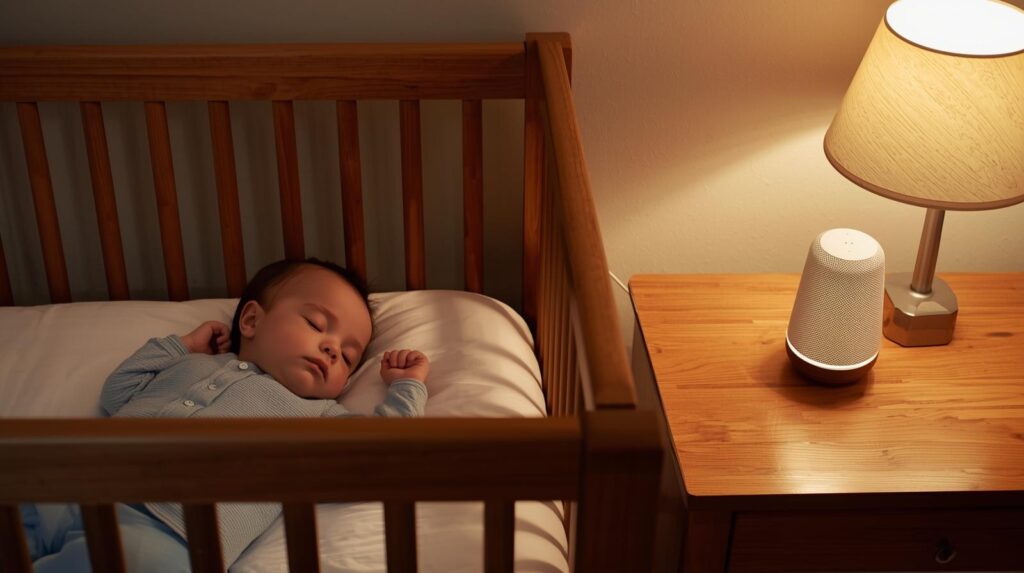
Light, sound, and temperature play a huge role in newborn sleep. Many parents unknowingly keep rooms too bright or too quiet, which can actually make it harder for a newborn to settle.
Whether your baby is new to the world or a few months old, there are a handful of reasons sleep is a struggle:
- Immature circadian rhythm — babies don’t have a strong sleep/wake cycle yet.
- Overstimulation — too much noise, light, or activity before bedtime.
- Colic and digestive discomfort, causing fussiness.
- Inconsistent routines — babies thrive on predictability.
- Sleep associations — baby learns only one way to fall asleep (like nursing or rocking).
Now let’s walk through a step-by-step real-world baby sleep strategy — one that helps parents — even those with colicky babies.
Step 1 — Set a Calm, Consistent Sleep Environment

Consistency is everything when it comes to sleep. Even newborns start to benefit from a calm, predictable routine.
Create a Sleep-Friendly Room
🔹 Keep lights dim and noise to a minimum in the hour before sleep.
🔹 A light, comfortable temperature helps your baby settle.
🔹 Choose a safe sleep surface (crib or bassinet) with a firm mattress and no loose blankets.
Try a Sound Machine or White Noise Machine
When parents ask how to get a newborn to sleep faster, white noise is often one of the first recommendations—and for good reason. White noise mimics the sounds your baby heard in the womb, which helps calm their nervous system and reduce sudden wake-ups.
Here are some great options of white noise machines and sound machines we can recommend for calming a newborn to sleep:
Sound Machines & Soothers: What would you pick?
Hatch Baby Sound Machine – Best all-around
Features
- Combines white-noise machine, customizable night light, and sleep routine trainer in one device
- Multiple soothing sounds such as white noise, rain, and gentle lullabies
- Adjustable night light with customizable brightness and color settings
- Touch controls and app-based control for easy adjustments
- Helps create a consistent sleep environment for babies
Pros
- All-in-one sleep solution, reducing the need for multiple nursery devices
- Soothing sounds help mask household noise, promoting longer and more restful sleep
- Soft night light is ideal for nighttime feedings and diaper changes
- Customizable settings allow parents to tailor the sleep environment to their baby’s needs
- Supports healthy sleep routines as babies grow
Cons
- Higher price compared to basic sound machines
- Some features require using a smartphone app
- Needs power outlet, so it’s less portable than travel sound machines
Momcozy White Noise Machine for Baby Sleeping – Budget-friendly pick
Features
- Budget-friendly portable sound machine designed for baby sleep
- Multiple soothing sounds including white noise, lullabies, and nature sounds
- Helps mask household noises to create a calm sleep environment
- Built-in soft night light for gentle nighttime visibility
- Timer and customizable sound settings for flexible sleep routines
- Compact and portable design suitable for nursery or travel
Pros
- Affordable price compared to many premium sound machines
- Variety of sounds helps babies relax and fall asleep faster
- Night light feature is helpful for feedings or diaper changes
- Portable design makes it easy to move between rooms or take on trips
- Good value for money with features similar to higher-end models
Cons
- Sound quality may be simpler compared to premium brands
- Build quality may feel less premium due to lower price
- Some models may have limited volume range or fewer advanced settings
Yogasleep Hushh Portable Sound Machine – Portable choice
Features
- Compact portable white noise machine designed for babies
- Multiple soothing sounds such as white noise and calming ambient tones
- Clip attachment for easy use on strollers, car seats, and diaper bags
- Rechargeable battery for convenient on-the-go use
- Simple, user-friendly controls for quick sound adjustments
Pros
- Travel-friendly design, perfect for outings, trips, and visits to family
- Helps mask sudden environmental noises, supporting better naps and sleep
- Lightweight and easy to attach to strollers or car seats
- Rechargeable battery eliminates the need for disposable batteries
- Helps maintain a consistent sleep routine even outside the home
Cons
- Limited sound options compared to larger nursery sound machines
- Smaller speaker may not fill a large room with sound
- Battery requires regular charging with frequent use
Tip: You can also pair a sound machine with gentle lullabies or soft music to create a calming bedtime playlist.
Step 2 — Develop a Reliable Bedtime Routine

Babies love predictability. A consistent routine tells their brain, “Okay… bed is next.” Here’s a soothing structure you can follow nightly:
A Sample Bedtime Routine (20–40 mins)
- Wind down: Lower lights, quiet play.
- Warm bath (optional): Helps signal sleep time.
- Gentle massage or lotion: Relaxing and bonding.
- Change into sleepwear: Something cozy but safe.
- Feed: A final feed helps settle them.
- Swaddle or sleep sack: Reduces startle reflex.
- White noise on: Your calming background sound.
This may feel long at first, but soon your baby will anticipate sleep and begin nodding off more easily.
Step 3 — Choose the Right Sleepwear

The right sleepwear helps babies feel secure without overheating, critical for safe, uninterrupted sleep.
Sleepwear & Swaddles: Best choices by need
Kyte Baby – Sleep Bag 1.0 TOG – Soft and highly rated
Features:
- Made from breathable bamboo rayon for softness and comfort.
- 1.0 TOG rating suitable for regulating baby’s temperature.
- Wearable design keeps babies snug and safe throughout the night.
- Allows natural movement while preventing loose blankets.
- Double zipper for quick and easy nighttime diaper changes.
- Suitable for everyday use.
Pros:
- Extremely soft and gentle on delicate baby skin.
- Helps prevent overheating with breathable material.
- Reduces safety risks compared to loose blankets.
- Practical and convenient for parents with easy-access zippers.
- Promotes calmer and more restful sleep for babies.
Cons:
- Slightly higher price compared to basic sleep sacks.
- Limited TOG options may require layering in very cold climates.
- May not fit larger or rapidly growing babies for long periods.
Woolino 4 Season Ultimate Baby Sleep Bag – Year-round option
Features:
- Made with soft merino wool and organic cotton for gentle comfort.
- 4-season design naturally regulates temperature (warm in cold, cool in heat).
- Universal size fits babies from ~2 months to 2 years.
- Wearable blanket design replaces loose crib blankets for safety.
- Two-way zipper allows easy nighttime diaper changes.
- Long-lasting, suitable for use across multiple growth stages.
Pros:
- Provides year-round comfort without needing multiple sleep sacks.
- Soft, breathable fabrics are gentle on baby’s skin.
- Reduces safety risks from loose blankets.
- Practical and convenient for parents with easy-access zippers.
- Cost-effective due to extended usability over multiple years.
Cons:
- Premium price compared to standard sleep bags.
- Universal sizing may be slightly bulky for smaller newborns.
- Merino wool requires gentle washing and care.
2‑Pack Organic Soothe Sleep Sacks – Best value
Features:
- Made from soft, breathable organic cotton.
- Wearable blanket design replaces loose crib blankets for safety.
- Allows natural movement while keeping baby covered.
- Comes as a 2-pack, providing a clean backup for washes.
- Suitable for maintaining a comfortable sleep temperature.
- Budget-friendly and practical for everyday use.
Pros:
- Gentle on baby’s sensitive skin.
- Convenient two-pack ensures a spare is always available.
- Supports safe sleep by reducing loose blanket hazards.
- Affordable option for parents seeking quality sleepwear.
- Easy to incorporate into a consistent bedtime routine.
Cons:
- Not designed for extreme temperatures (may need layering in very cold climates).
- Lacks premium features like zippers for quick diaper changes.
- May wear faster over time compared to higher-end sleep sacks.
Pro tip: Swaddles help newborns feel secure — but once they start rolling, it’s time to transition to a sleep sack for safety.
Step 4 — Moves That Calm: Motion, Shushing, Sucking

When your baby is restless, especially colicky or overtired, these soothing cues can trigger relaxation and sleepiness:
Motion
Rhythmic motion reminds babies of the womb. Gentle rocking, babywearing, or a push in a stroller can settle an overtired baby.
If you need a place for gentle lounging before sleep, you can consider these options:
Comfort & Loungers
BabyMoov Socosy Newborn Lounger — Great for calming sessions before sleep.
Features:
- Cocoon-like shape mimics the snug feeling of the womb.
- Ergonomic design with gentle head support.
- Slightly elevated leg position promotes natural posture and may ease gas or reflux.
- Lightweight and portable for easy placement anywhere.
- Designed for supervised calm moments before naps or bedtime.
Pros:
- Helps babies feel secure and relaxed.
- Reduces startle reflex that can disrupt sleep routines.
- Supports healthy posture and comfort for newborns.
- Convenient for bonding, calming sessions, or supervised rest.
- Easy to move and store due to lightweight design.
Cons:
- Intended only for supervised use; not suitable for unattended sleep.
- Limited use as the baby grows beyond newborn stage.
- Not a replacement for a crib or safe sleep environment.
Anti‑Roll Newborn Baby Side Sleeper Pillow — Supportive positioner for newborn comfort.
Features:
- Adjustable side cushions gently support baby’s body to reduce rolling.
- Slight angled design may help ease reflux, spit-up, or colic discomfort.
- Soft, breathable fabrics for comfort and gentle touch on delicate skin.
- Removable, washable covers for easy hygiene maintenance.
- Designed for newborns to provide stable sleeping position and added security.
Pros:
- Helps babies stay comfortably positioned during rest.
- Reduces startle and rolling, promoting calmer sleep.
- May alleviate minor discomforts like reflux or colic.
- Practical and easy to clean with washable covers.
- Gives parents peace of mind during supervised sleep.
Cons:
- Only suitable for supervised sleep; not a replacement for safe crib sleep.
- Limited use as baby grows and becomes more mobile.
- Premium price compared to basic positioning pillows.
Shushing
Use white noise or your own “shhh” sound right at your baby’s ear. It’s remarkably effective because it mimics the womb.
Sucking
If your baby likes a pacifier, this natural reflex can help them calm and fall asleep faster but just make sure it’s age-appropriate and safe.
Step 5 — Managing Colic and Fussiness Without Tears
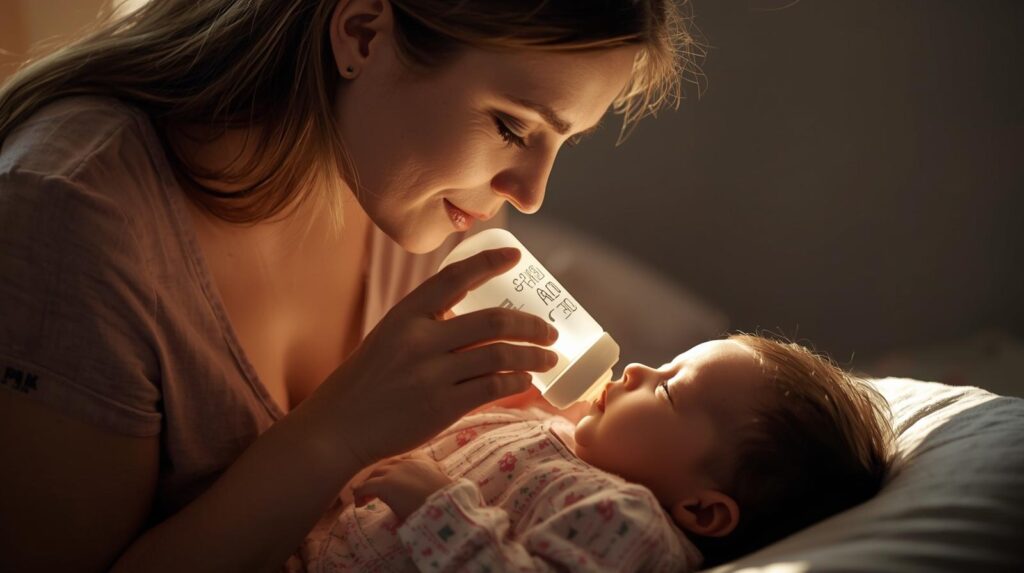
Colic can make newborn sleep especially challenging, but it doesn’t change the fundamentals of how to help a newborn sleep peacefully. Babies with colic often benefit from the same strategies as other newborns, with extra attention to comfort and overstimulation.
Colic isn’t a sleep problem by itself, but the discomfort can prevent sleep. Colic symptoms often include long periods of crying or fussing for no clear reason. While there’s no silver bullet, parents have seen relief from:
✔ Dimming lights and minimizing stimulation in evening hours.
✔ Gentle motion and burping
✔ Calm feeding routine
✔ White noise
Step 6 — Sleep Surfaces: Cribs, Bassinets, and Safe Sleep

A safe sleep space can make or break your baby’s rest. The American Academy of Pediatrics emphasizes safe sleep surfaces without loose blankets, pillows, or items that could pose a risk to infants. Here are comfortable, safe options we recommend:
Beds & Bassinets
Iora Bedside Bassinet Maxi Cosi — Highly rated choice for room-sharing ease.
Features:
- Designed for bedside use, keeping baby within arm’s reach.
- Breathable mesh sides for improved airflow and visibility.
- Adjustable height to align with most beds.
- Sturdy design for stable and safe sleep.
- Built-in storage basket for essentials like diapers and wipes.
- Suitable for newborns and early months of sleep.
Pros:
- Makes nighttime feedings, soothing, and check-ins easier.
- Promotes safe sleep with breathable sides.
- Height adjustability allows seamless bedside access.
- Convenient storage keeps necessities close.
- Enhances comfort and reassurance for both baby and parents.
Cons:
- Limited use as baby grows beyond bassinet stage.
- Bulkier than some portable or travel options.
- Premium price compared to basic bassinets.
3‑in‑1 Baby Bassinet Bedside Sleeper — Great value 3-in-1 option.
Features:
- Functions as a standalone bassinet, bedside sleeper, and portable baby bed.
- Bedside mode keeps newborn within arm’s reach for nighttime feedings and soothing.
- Breathable mesh sides for airflow and easy monitoring.
- Adjustable height to align with most beds.
- Sturdy frame for safety and stability.
- Built-in storage for essentials like diapers and wipes.
- Versatile design suitable for different needs throughout the day and night.
Pros:
- Multi-functional, reducing the need for multiple nursery items.
- Convenient for parents during nighttime care.
- Promotes safe sleep with breathable mesh sides.
- Practical storage keeps necessities close at hand.
- Budget-friendly option for versatile use.
Cons:
- Bulkier than single-function bassinets.
- May require assembly and occasional adjustments.
- Limited use as baby grows beyond bassinet stage.
Remember: Safe sleep is paramount so always place baby on their back to sleep on a flat, firm surface.
Step 7 — Common Sleep Challenges and Solutions

My Baby Won’t Nap During the Day
Daytime sleep helps nighttime sleep. Keep naps consistent and avoid overtired phases.
My Baby Sleeps Fine but Wakes Often
Check the sleep environment (noise, temperature), and reinforce your routine. Small changes can reduce night wakings.
My Colicky Baby Can’t Sleep Even With These Tricks
Colic usually improves with age and time, but consistent routines, patience, and gentle strategies make a big difference. You’re not alone — and it does get easier.
FAQs About How to Get a Newborn to Sleep
Q1: How long does it take for a newborn to fall asleep?
Most newborns fall asleep within 10 to 30 minutes once calm and properly fed. If it consistently takes longer, overtiredness or overstimulation may be the cause.
Q2: How can I get my newborn to sleep without being held?
Start by placing your newborn down when they are drowsy but not fully asleep. Use white noise, swaddling, and a consistent bedtime routine to help them feel secure.
Q3: How many hours should a newborn sleep in 24 hours?
Newborns typically sleep between 14 and 17 hours per day, spread across short naps and nighttime sleep.
Q4: Does white noise help newborns sleep?
Yes. White noise can help newborns fall asleep faster by mimicking womb sounds and blocking sudden environmental noise.
Q5: When does newborn sleep get easier?
Many parents notice improvements around 8 to 12 weeks as a newborn’s sleep patterns begin to mature.
Final Tips Every Parent Should Know
- Consistency wins every time. When bedtime follows the same steps, your baby’s brain associates those cues with sleep.
- Patience isn’t optional — it’s the strategy. Sleep changes take a few days to stick.
- Every baby is different. What works for one might not work for another, mix and match these techniques.
Conclusion
Learning how to get a newborn to sleep takes patience, consistency, and realistic expectations. There is no overnight fix, but small, intentional changes can lead to noticeable improvements within days.
By creating a calming sleep environment, following a simple bedtime routine, and using supportive sleep products when needed, you’re giving your newborn the best chance to rest well and giving yourself the chance to rest too.
Pingback: Best White Noise Machine for Babies: Top 5 Most Effective Picks for Better Sleep - Hush Dear Baby
Pingback: Best Swaddles for Colicky Babies (2026 Sleep Guide)
Pingback: Top 10 Anti-Colic Baby Bottles: Best Picks for Colicky Babies in 2026 - Hush Dear Baby
Pingback: How to Create a Newborn Sleep Routine (0–12 Weeks) - Hush Dear Baby
Pingback: 6 Reasons Why a Newborn Won’t Sleep at Night - Hush Dear Baby
Pingback: Newborn Sleep Deprivation: How Parents Can Survive the First 8 Weeks - Hush Dear Baby
Pingback: How Long Does Newborn Sleep Deprivation Last? - Hush Dear Baby
Pingback: Feeding Newborn to Sleep: A Parent’s Guide to Understanding How Feeding and Sleep Work Together - Hush Dear Baby