

If you’re searching because you’re deep in newborn sleep deprivation, I understand how heavy it feels. I remember watching the clock every night, wondering when things would get better. I searched endlessly for answers about how long newborn sleep deprivation lasts, hoping someone would say, “Just one more week.”
The truth is more gentle than that.
Sleep improves gradually. Not suddenly. But noticeably.
And knowing the timeline can bring real hope. This guide shares what most parents experience, what helped us cope, and which tools made nights easier.
You are not alone in this season.
How Long Does Newborn Sleep Deprivation Last? A Real Timeline
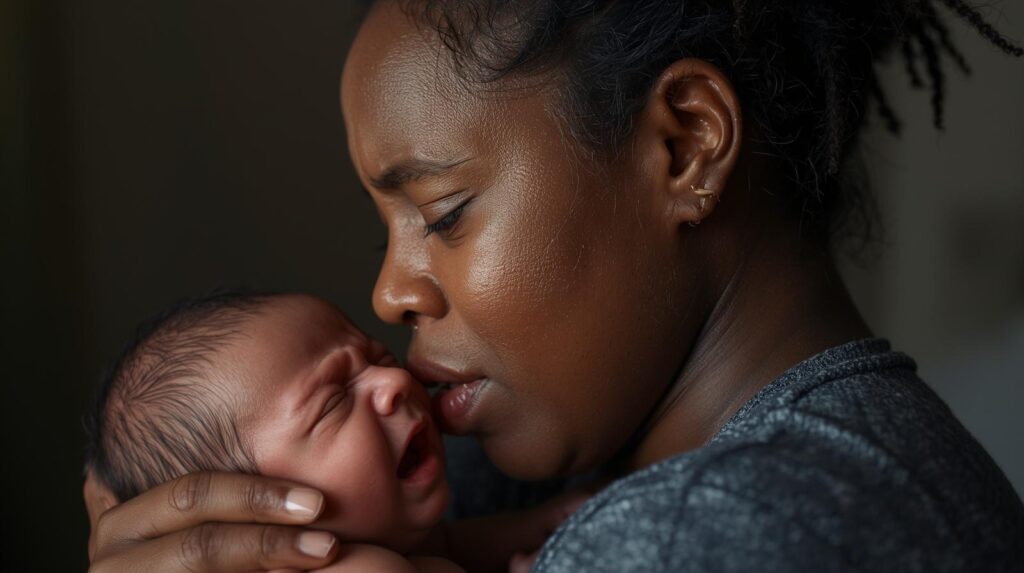
When you’re awake at 3 AM for the fifth night in a row, it feels like this phase will last forever.
But newborn sleep deprivation does follow a pattern for most families. Knowing what’s normal can bring huge relief.
Here’s the honest timeline.
Weeks 1–3: The Hardest Stretch
This is survival mode.
Your baby wakes every 2–3 hours… sometimes every hour. Not because they’re difficult, but because their tiny body truly needs it. Newborn stomachs are small. Breastmilk digests quickly. Their nervous system is immature. They don’t know day from night yet.
Meanwhile, you are healing.
Whether you had a vaginal birth or C-section, your body is recovering from one of the biggest physical events of your life. Hormones crash. Milk supply regulates. Emotions swing.
You are learning:
• Feeding
• Diapers
• Swaddling
• Burping
• Baby cries
• Your baby’s personality
Everything is new.
Sleep comes in 20-minute pieces. Maybe an hour if you’re lucky.
This is peak newborn sleep deprivation.
It feels endless because it’s intense, not because it lasts forever.
Weeks 4–6: Small Improvements Begin
You may not notice at first… but tiny changes start happening. Your baby becomes more alert during the day. You begin recognizing sleepy cues like:
• Red eyelids
• Yawning
• Looking away
• Fussiness
Feeding becomes smoother. You stop Googling every diaper color.
Some nights, after cluster feeding, your baby might sleep a 3–4 hour stretch.
Not every night. Just sometimes.
And that small stretch feels amazing.
This stage is still tiring, but confidence starts growing.
You realize: I can do this.
Around 8 Weeks: Longer Sleep Stretches
This is when many parents finally feel hope.
Some babies begin sleeping 4–6 hour stretches at night.
Not all babies. But many.
Why?
• Their stomach grows
• Feeding becomes more efficient
• Their brain starts forming a circadian rhythm
• They learn day vs night patterns
You still wake up. But not constantly.
You may finally get a 2-hour nap yourself.
You may feel human again.
3–4 Months: Sleep Starts to Consolidate
By this stage, many babies sleep longer blocks.
Still not perfect sleep.
But better.
Some babies give 5–7 hour stretches occasionally.
Your baby can stay awake longer during the day. Bedtime becomes more predictable. Routines start working.
Newborn sleep deprivation slowly turns into manageable tiredness.
You’re still tired, but not drowning.
You can laugh again. Cook again. Think again.
Important Truth: Every Baby Is Different
Some babies sleep early.
Some babies wake often for many months.
That doesn’t mean you’re doing anything wrong.
Babies aren’t robots.
They have personalities, growth spurts, tummy troubles, sleep regressions, teething, and comfort needs.
The goal isn’t perfect sleep.
The goal is getting through this season safely and gently.
Signs Sleep Is Improving
You’ll notice small wins before big ones:
• Baby stays awake longer between feeds
• One longer stretch at night
• Easier settling after feeds
• Predictable bedtime fussiness
• Baby naps without constant rocking
These tiny improvements add up.
What Helps This Phase Pass Faster
You can’t rush newborn sleep, but you can make it easier.
Try:
• Sleeping when baby sleeps (even short naps)
• Accepting help from family
• Taking shifts with your partner
• Keeping lights dim at night
• Going outside during the day
• Safe swaddling
• White noise
These don’t create miracles.
But they protect your sanity.
The Honest Answer Parents Need
Newborn sleep deprivation usually peaks in the first 3–6 weeks, improves by 8–12 weeks, and becomes manageable by 3–4 months.
Not perfect.
Just better.
And one day, you’ll realize your baby slept 6 hours…
And you’ll wake up in panic wondering if they’re okay.
That’s when you know you made it through.
Why Newborn Sleep Is So Fragmented

Understanding this changes everything.
Because when you know the why, you stop thinking you’re failing.
Newborn sleep isn’t broken. It’s designed that way.
Their Brain Is Still Building Sleep Cycles
Adults move through long, predictable sleep stages.
Newborns don’t yet.
Their sleep cycles are short and light because their brain is rapidly developing connections for breathing, temperature control, digestion, and sensory processing.
Light sleep helps them wake easily if they need something.
It’s protective, not problematic.
They Are Adjusting to a Loud, Bright World
Inside the womb, everything was warm, dark, and rhythmic.
After birth, there are lights, sounds, clothes, diapers, air on their skin, and a brand-new digestive system working constantly.
That sensory overload makes it harder for babies to stay asleep for long stretches.
They wake to process it all.
This is part of how their nervous system learns to function.
Growth Happens in Bursts
Newborns grow at an incredible speed.
Their brain, body, and metabolism surge forward in short bursts that require energy and reassurance.
During these periods, babies wake more often because their system is changing fast.
What feels like a setback is often a sign of development.
They Don’t Know How to Transition Between Sleep States Yet
Older children can roll over, adjust a blanket, or suck their thumb and drift back to sleep.
Newborns can’t do that.
When they move from one sleep stage to another, they often need help settling again because self-soothing skills haven’t formed yet.
This is normal neurological development.
Not a bad habit.
They Are Wired for Connection
Human babies are born more dependent than most mammals.
Closeness regulates their breathing, heart rate, and body temperature.
That’s why many babies sleep better when held or nearby.
It’s biology designed for safety and survival.
Your presence is part of their regulation system.
Your Body and Baby’s Body Are Syncing Up
In the early weeks, your baby is learning your voice, scent, and rhythm.
You are learning their cries, movements, and signals.
Sleep patterns often feel chaotic during this stage because two nervous systems are learning to coordinate.
Over time, that synchronization brings longer, calmer stretches.
What This Means for You
Fragmented sleep is not a parenting mistake.
It’s a developmental stage.
You didn’t cause it, and you can’t force it away.
But knowing the reason behind it can soften the guilt and pressure.
You and your baby are both adapting to a brand-new world together.
And that adjustment — messy and exhausting as it feels — is part of how strong attachment, healthy growth, and better sleep later on are built.
What Helped Us Survive Newborn Sleep Deprivation

Not perfection. Just real life strategies.
Take what fits your home.
1. Accept the Timeline
When I stopped searching for instant fixes and accepted that newborn sleep deprivation lasts about 6–8 intense weeks, I felt calmer.
Knowing there was an endpoint helped me cope.
Instead of trying to fix everything, I focused on protecting small pockets of rest.
2. Sleep in Shifts
If you have a partner, this is powerful.
One parent handles feeds from 8 PM to 1 AM.
The other sleeps deeply.
Then you switch.
Even one uninterrupted stretch changes everything.
Some families pump once so a partner can use bottles like Dr. Brown’s or Philips Avent for a smoother night feed.
Teamwork matters more than perfection.
3. Keep Nights Calm
At night:
Dim lights
Quiet voices
No play
This helps babies learn night is for sleep.
White noise machines from Hatch Baby or Yogasleep helped us avoid sudden wakeups from small sounds.
4. Use Swaddles Early
Newborns startle easily.
A secure swaddle gave us longer stretches.
Many parents trust Halo SleepSack, Love To Dream, or SwaddleMe for easy nighttime changes.
Always stop when rolling begins.
5. Protect One Nap for Yourself
Instead of trying to nap all day, choose one nap that is sacred.
Ignore chores.
Lie down.
Even 30 minutes helps reduce newborn sleep deprivation symptoms.
6. Simplify Your Life
Say no to visitors.
Order groceries.
Let laundry wait.
You are recovering too.
Protect your energy.
Tools That Helped Us Cope
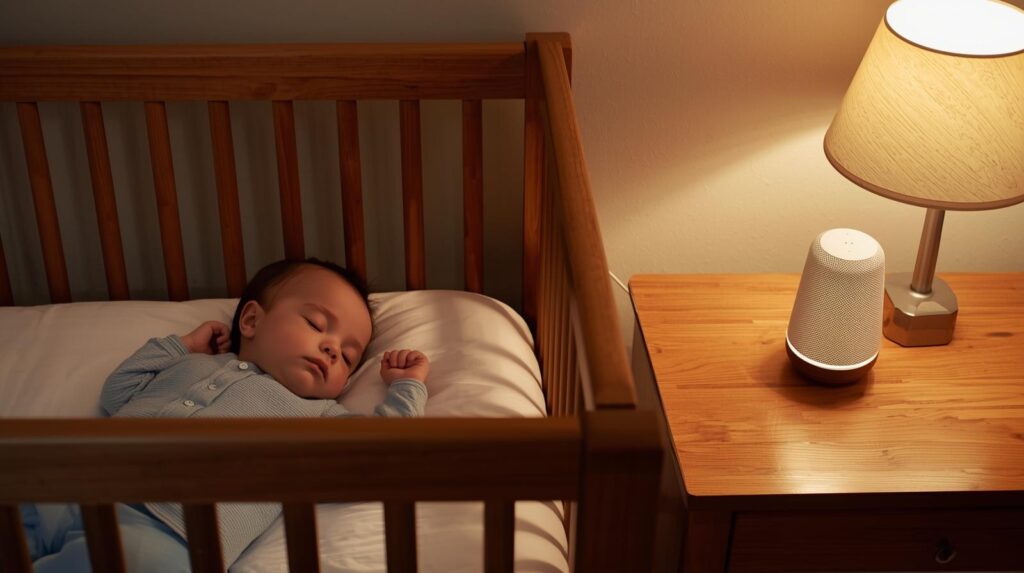
These tools are not miracles. But they lowered stress, saved energy, and helped us function through newborn sleep deprivation.
1. White Noise Machine
A steady sound creates a consistent sleep environment even when the house isn’t perfectly quiet. It masks sudden noises like doors, siblings, or dishes that can startle a light sleeper awake. We kept the volume low and the tone constant so our baby associated that sound with rest. Over time, it also became a helpful sleep cue when routines were still unpredictable.
2. Comfortable Glider Chair
You will spend many quiet hours feeding, burping, and settling your baby. A supportive chair prevents shoulder, neck, and lower back strain that builds up from holding awkward positions at night. Gentle rocking can also help babies calm without you pacing the room when you are already exhausted. Choosing a chair that lets your feet rest flat and your arms stay supported makes long nights less painful.
3. Bedside Bassinet
Keeping your baby close reduces the amount of movement and light needed during nighttime feeds. You can check on them quickly without fully getting out of bed, which helps both of you settle faster afterward. It also makes transfers smoother because you do not need to walk across the room while half asleep. That small convenience adds up over weeks of broken sleep.
4. Blackout Curtains
Darkening the room supports your baby’s early understanding of nighttime even before a full rhythm forms. It also helps during daytime naps when sunlight or streetlights would otherwise wake them too soon. Good curtains reduce visual stimulation so babies stay calmer while falling asleep. Parents benefit too because a darker room makes it easier to rest during short nap windows.
5. Meal Delivery or Grocery Pickup
Food is one of the first things parents neglect when they are tired. Having meals ready or groceries delivered protects your limited energy for feeding and resting instead of errands. It reduces decision fatigue because you do not have to plan menus while sleep deprived. Even using it once or twice a week can lighten your mental load and help you recover faster.
These small supports don’t remove newborn sleep deprivation, but they protect your body and your patience. And sometimes, that is exactly what helps you make it through one more night.
| Product Type | Best Option | Why Parents Love It | Good For |
|---|---|---|---|
| White Noise | Hatch Rest | App control + night light | Small bedrooms |
| Portable Sound | Yogasleep Hushh | Travel friendly | Car naps |
| Bassinet | Halo Bassinest | Swivels to bed | Easy night feeds |
| Budget Bassinet | Graco Sense2Snooze | Gentle motion | Fussy babies |
| Swaddle | Love To Dream | Arms up comfort | Babies who hate wrapping |
| Classic Swaddle | Halo SleepSack | Easy Velcro | Beginners |
| Feeding Bottle | Dr. Brown’s Natural Flow | Reduces gas | Colicky babies |
| Anti-Colic Bottle | Philips Avent Anti-Colic | Easy cleaning | Combo feeding |
| Glider Chair | Babyletto Kiwi | Comfortable support | Long feeds |
Realistic Night Plan for the First 8 Weeks
Instead of chasing perfect sleep, aim for manageable.
- Feed every 2–3 hours
- Keep nights dark
- Swaddle
- White noise on
- Back to sleep quickly
- Nap once during day yourself
- Accept help
That is enough.
This plan helped reduce newborn sleep deprivation without pressure.
What I Wish Someone Told Me
Newborn sleep deprivation can make you doubt yourself.
You may think:
Other babies sleep better.
I must be doing something wrong.
I cannot do this.
But newborn sleep problems are not parenting failures.
They are developmental stages.
Your baby is learning.
You are learning.
And that learning takes time.
Gentle Encouragement
If you are awake at 3 AM reading this, I see you.
Newborn sleep deprivation is biology, not a reflection of your parenting.
Eight weeks feels long in the moment. But short in your child’s life.
Take one night at a time.
Better sleep is coming.